






 See All Reviews


 View Profile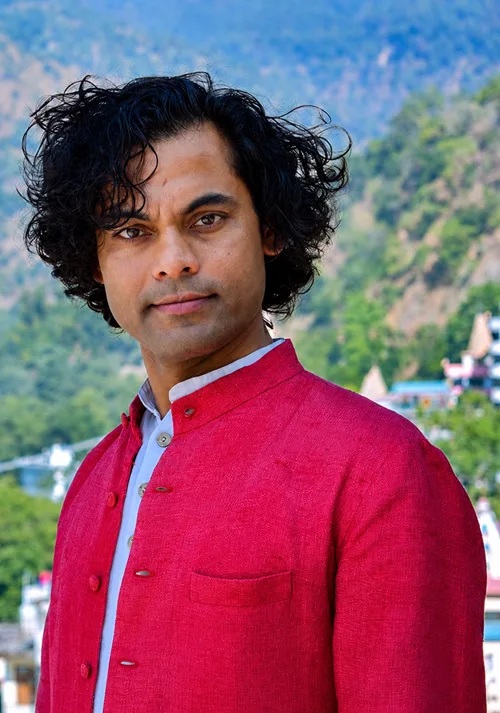



Tattvaa Yogashala is in Swarg Ashram, near Ram Jhula, Rishikesh. Choose the route that suits your arrival plans.
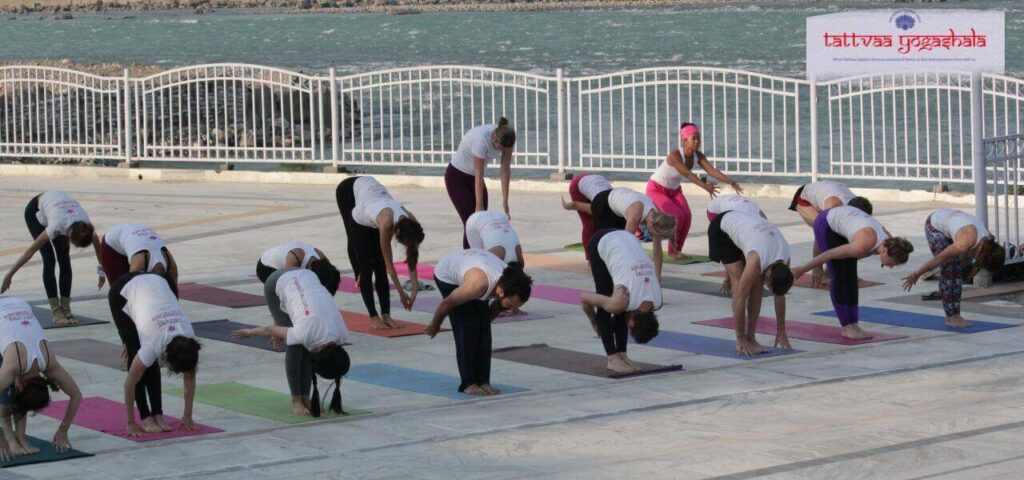
Table of Contents
In looking at the “yogi lifestyle,” many questions surround the seemingly nebulous subjects of sex and drugs (referring to alcohol and recreational drugs) and their relationships to yoga. Though lengthy pieces could easily be written on each issue independently, and each yoga practitioner has their personal view, what does yoga say about sex, drugs, and yoga?
Bhramcharya And Yoga
People cite the yogic concept of brahmacharya as the necessary practice of celibacy for yogis. Brahmacharya is a Sanskrit word that is translated in various ways, including: “celibacy” and “chastity.” Though brahmacharya can imply these things, this highly complex concept can be interpreted in many ways. The first part of the word, “Brahma,” literally means Brahman, a Sanskrit word that represents the God phenomenon. The second part of the word, “charya,” means following or occupying oneself. Therefore brahmacharya can be directly read as “devoting oneself to Brahman.” This act functions as a means, not an end. Though brahmacharya can imply different things in different Indian philosophies, yoga is described as an essential fundamental to Patanjali’s ancient eight-limbed ashtanga yoga teacher training India system. The first limb or step Patanjali portrays in the second chapter of the Yoga Sutras as the first whole to yoga is the Yamas, which are general guidelines for cultivating personal growth and contributing positively to society.
The fourth Yama is brahmacharya, which Patanjali describes in sutra 2.38 as brahmacharya pratisthayam virya labhah, or, “when walking in the awareness of the highest reality (brahmacharya) is firmly established, then a great strength, capacity, or vitality (virya) is acquired.” The idea here does not necessarily imply abstaining from sex, though it can take that form. Instead, it asks us to direct all our energy towards spiritual pursuit and thus transmute our sexual energy into devotion to God. When we recall dissipated energy and refocus it on spiritual growth and dedication, we retain a state of vitality and strength. As Yogi Sunil Sharma of yoga teacher training in Rishikesh describes in one of his lectures, brahmacharya is a conducive lifestyle for realizing higher truth by restraining from multiplying our desires to waste energy elsewhere and instead retaining energy for spiritual development. For the householder yogi, brahmacharya is practiced typically as remaining faithful and loving within a monogamous relationship and do not allow for sexual temptation to distract us from the studies and practices of yoga. For the householder, yogi brahmacharya then becomes using the act of sex morally, responsibly, and compassionately and allowing our sexuality to become a wider part of our yoga practice. Thus the renunciate yogi brahmacharya can represent celibacy and complete redirection of sexual energy to the pursuit of the Divine.
Yogis And Stimulants
It is widely assumed that to be a yogi means to abstain from using stimulants (i.e., drugs, alcohol, marijuana). However, if we look around at most yogis we know today, we might find that most people who “do yoga” also enjoy a glass of wine with dinner, a joint before bed, or the occasional acid trip. But if the system of yoga at its essence is to still the fluctuations of the mind and to bring us in union with our divine nature, how do mind-altering substances affect this process? Many modern yoga practitioners use mind-altering substances such as psychedelics and marijuana to calm the brain waves and connect to the more subtle layers of reality. Many of these drugs and substances do have the capacity to manage our minds and to join us to deeper layers of ourselves and truth. Still, are they an end in themselves, and ultimately can they function as a sustainable means?
Shamanistic traditions of South America use psychedelics such as ayahuasca and peyote to attain similar states that can be experienced in advanced practices of yoga pranayama and meditation. Many parallels have been drawn between Yoga and Shamanism by notable contemporary yoga teachers, such as Gregor Maehle and Danny Paradise, the conclusion being that Shamanism and Yoga both share the same goal of union with the divine reality through their traditions do have some systematic differences. But can psychedelics, a component of some Shamanistic spiritual paths, benefit those on the Yogic way?
Herbs And Yoga
Patanjali vaguely mentions in the Yoga Sutras “herbs” that bring spiritual experiences. In sutra 4.1, he says janma osadhi mantra tapah samadhi Jah siddhyayah, or “the subtler attainments come with birth or are attained through herbs, mantra, austerities or concentration.” Substance-using yoga practitioners often cite this sutra as validation that using mind-altering substances is a part of the path to spiritual attainment. As spiritual paths throughout history have used herb-based elixirs to transcend the barrier between the conscious and unconscious mind, it makes sense that here Patanjali does reference the spiritual use of magical herbs. However, it is essential to note that non-attachment is a crucial proponent of Patanjali’s yoga system. Thus the use of herbal elixirs for spiritual experiences should be used only as a supplemental means in conjunction with yoga practices, only to the capacity that it is helpful, without becoming dependent, and certainly not as an end in itself. As with any part of the yoga practice, it becomes detrimental in the long run rather than beneficial whenever we become attached to the practice. And as with anything in our lives, we should allow it to fall away when something no longer serves our higher interests.
On the other hand, there are also substantial reasons why imbibing in mind-altering substances can stack the odds against us and can ultimately retard our spiritual development. Though these drugs have aspects that can be helpful, they also have detrimental proponents and effects. Something like mind-altering herbs initially used for clarity can quickly become sources of illusion and imbalance. The second and third limbs of Patanjali’s yoga, asana, and pranayama, utilize movement and breathing practices to prepare the body and mind for higher yoga practices and spiritual experiences. When we practice consistent asana, we effectively heal, strengthen, detoxify, purify and balance the body. With the constant practice of pranayama, we do the same to the energy body, opening and cleaning the subtle Nadi channels and creating more space for prana to accumulate and flow. Using these practices, we ultimately prepare ourselves to balance, strengthen and purify our minds through meditation practice, leading to realization and spiritual experiences.
Removal Of Toxins From The Body
The yogi works very hard with their asana and pranayama practices to literally “undo” and delete all of the physical, emotional, environment, karmic, and mental toxins that store and crystallize themselves in our physical and energetic bodies and are obstacles to stilling the mind and realizing our true selves. Despite any positive intention or exalted experiences, the reality is that by ingesting any substance that alters our mental state or leaves residue in our bodies, we are creating more toxicity in our systems and are therefore limiting the space in our bodies for prana. Thus much of our hard work with asana and pranayama becomes somewhat redundant and makes sustained spiritual states less attainable in the long run.
Drugs And Alchohol
The yogi is trying to attain and maintain a sattvic disposition in their being, and any rajastic or tasmic influences, such as drugs or alcohol, will create imbalance. Gregor Maehle describes the effects of drugs and alcohol on the yoga practice in many of his beautiful books on yoga. On page 124 in his book Pranayama the Breath of Yoga, he writes: “Jayatarama, author of Jogapradipyaka, warns that consumption of alcohol, tobacco, hemp, and opium will result in painful hell for unending periods. The warning appears grossly exaggerated, but the author means well. Of course, people have achieved great success while consuming some of the above or all of them. However, it is again a question of stacking the odds against you. By using recreational drugs, you will decrease the statistical probability of meaningfully and securely integrating spiritual exultation and bliss into your life… Alcohol mobilizes and expels prana. Pranayama tries to accumulate prana and increase the energy available for spiritual practic.
Tobacco, hemp, and opium are neurotoxins that also make your mind tamasic [heavy, dull], and they block the Nadis [subtle nervous system of energies], which you want to purify through pranayama.” Maehle does not judge that one way is right or wrong. Still, he clearly states and continues to elaborate that attaining yogic bliss is difficult as it is, so why would we be interested in making more obstacles for ourselves that will make sustained spiritual states more elusive, if possible at all? Drugs and alcohol, therefore, are not necessarily strictly forbidden and can be used for periods to help us along the way towards our goal, whether through induced relaxation or transcendent states. However, in the long run, they are impurities and function ultimately as an obstacle and a retardant to accessing higher states of consciousness and realization.
Conclusion
Despite many polarised opinions, it seems that sex and drugs do have their own moderate place within the yoga system. Yoga helps us to live a more harmonious and beneficial life for ourselves and the world. The building block to the yoga system is ahimsa, non-violence. This implies not causing harm to others and also to ourselves. We do not need to indulge in sex, drugs, or even yoga, as indulgence suggests violence. But we also do not need to judge ourselves or force ourselves, as that is inherently violent too. Do not force things out of your life, as this can create imbalances. But with awareness, compassion, and the development of yoga practice, we can let go of the habits and patterns in our lives that inhibit us rather than propel us toward our highest potential.


