7-Day Residential Programme · Rishikesh, India

7-Day Ashtanga Yoga Retreat in Rishikesh

Seven days of traditional Led and Mysore-style Ashtanga practice, alignment, adjustments, pranayama, anatomy and yogic study under the guidance of Yogi Kamal Singh — for practitioners who want to move beyond simply performing the sequence and build a disciplined, sustainable personal practice.

26+ Yrs Teaching Ashtanga in Rishikesh
7 Days Residential programme
50-Hr Continuing education certificate
2 Fixed batches in 2026
2026 Batches
23–29 October 2026
6 Nights  ·  Soham Retreat, Rishikesh
Private Room
Single occupancy
USD 600
Shared Room
Twin sharing
USD 500

Accommodation & meals included  ·  Limited seats

When Practice Becomes Sadhana

A Focused Ashtanga Retreat for Discipline, Clarity and Depth

Ashtanga Yoga becomes transformative through regular and sincere practice. It is not simply a sequence of physical postures, but a complete method that brings together movement, breath, concentration, discipline and self-observation.

This seven-day residential retreat gives you the space to practise without the usual distractions of daily life. Through Led and Mysore-style sessions, you will study the Ashtanga Primary Series, strengthen your understanding of breath and movement, refine your alignment and gradually develop greater confidence in self-practice.

The retreat combines Tattvaa Yogashala’s traditional Ashtanga teaching with the quiet residential environment of Soham Retreat. Yogi Kamal Singh leads the Ashtanga programme, while experienced Soham teachers guide selected sessions in pranayama, kriya, Yoga Nidra, philosophy and meditation.

The programme is intensive and structured, but every student is encouraged to work according to their present ability, experience and physical condition.

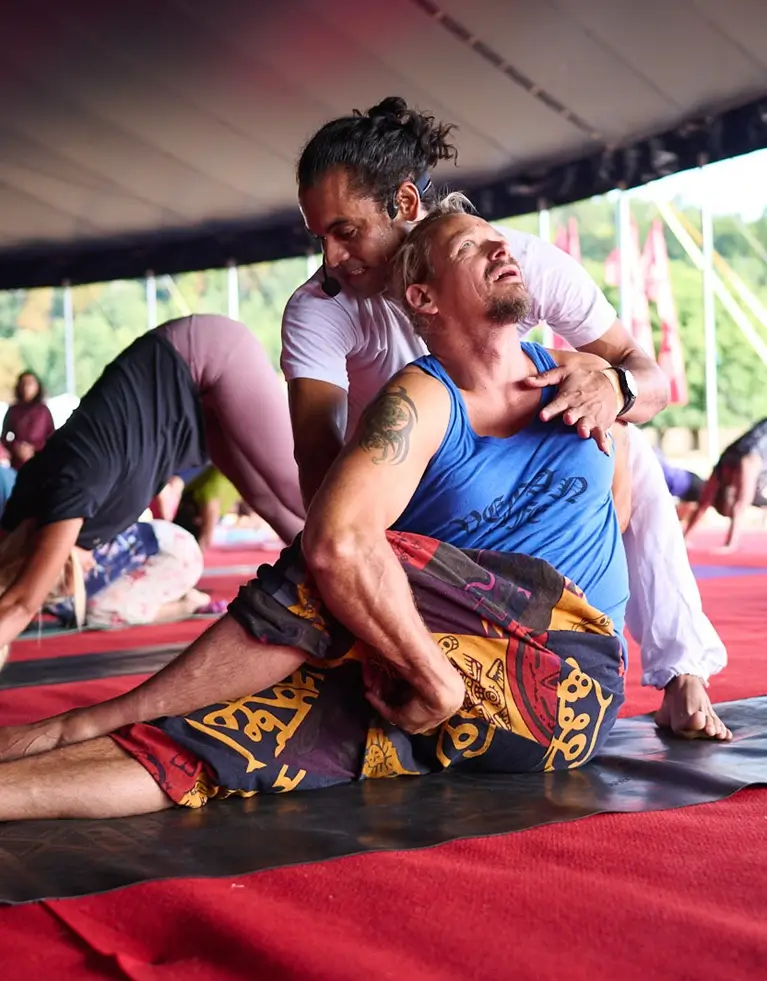
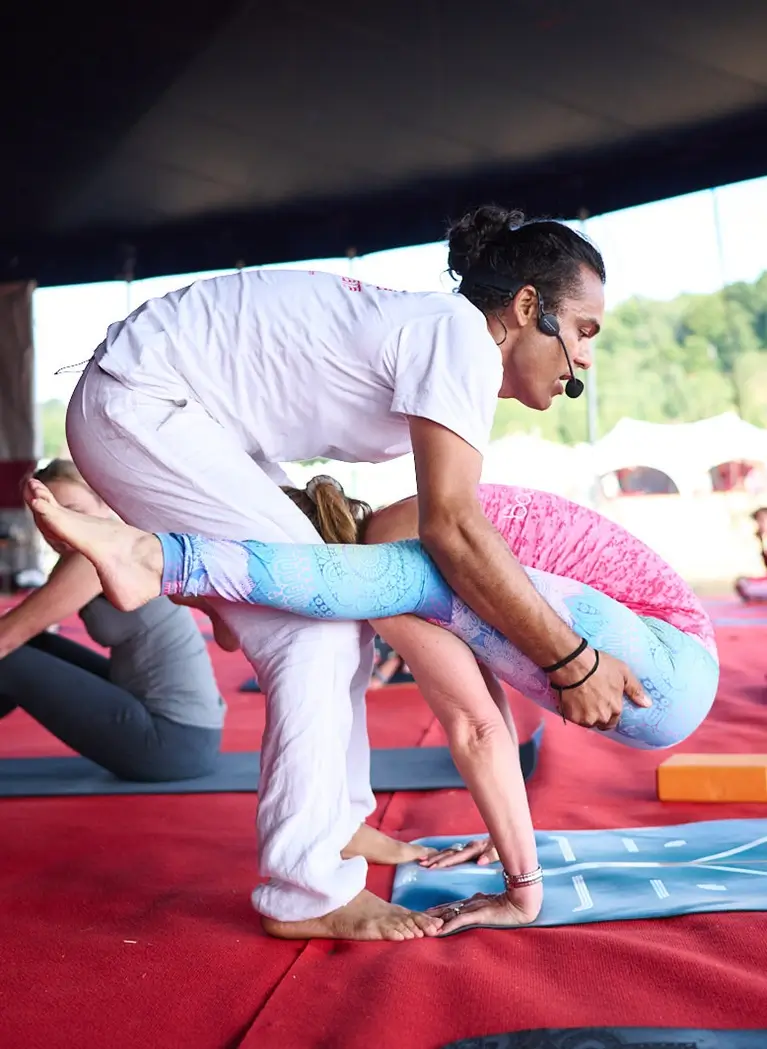
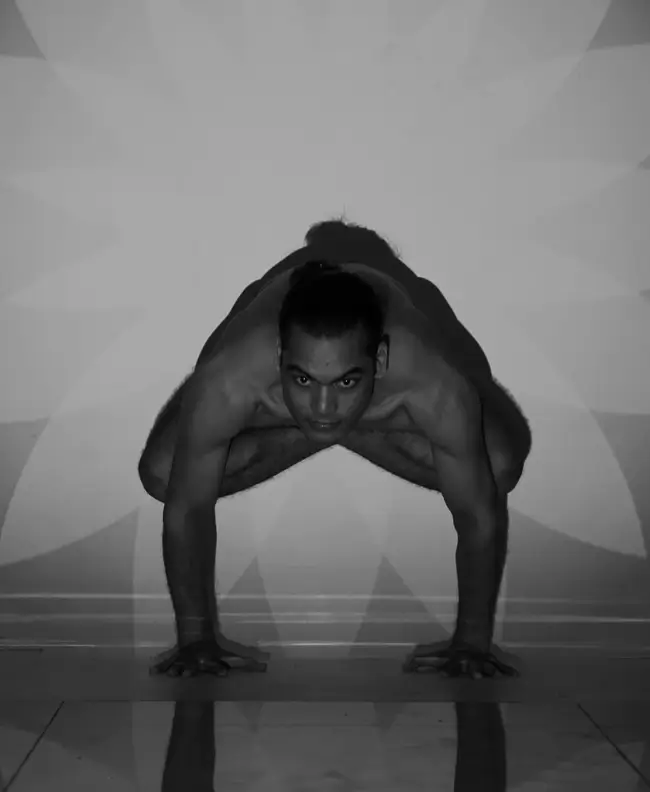
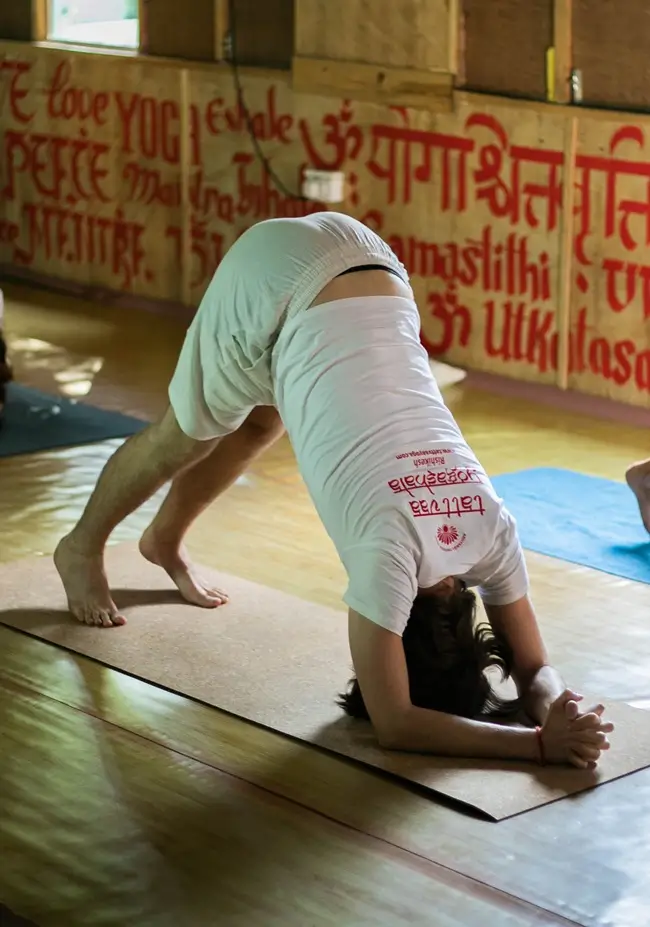
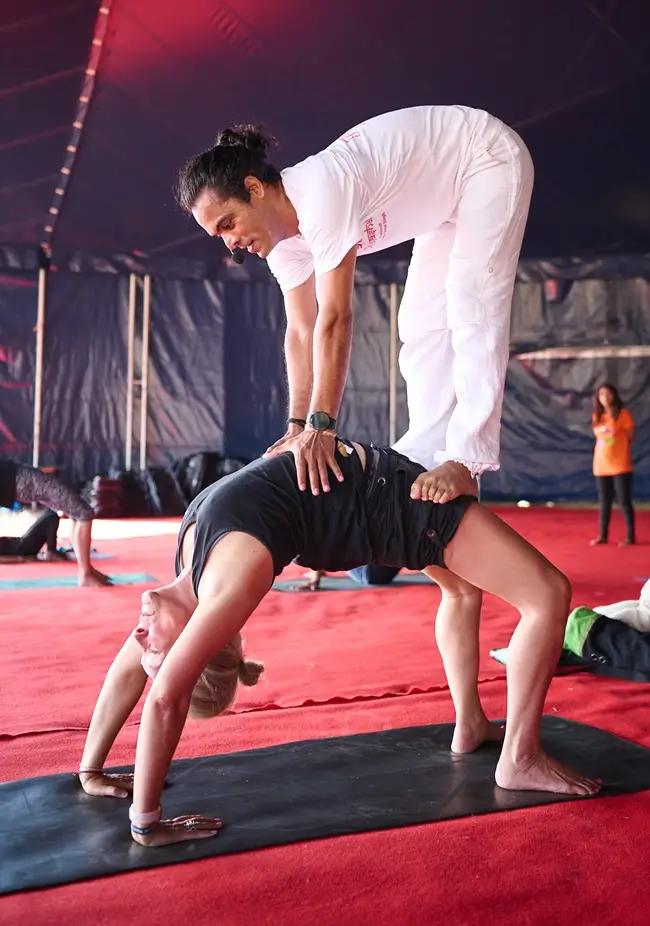
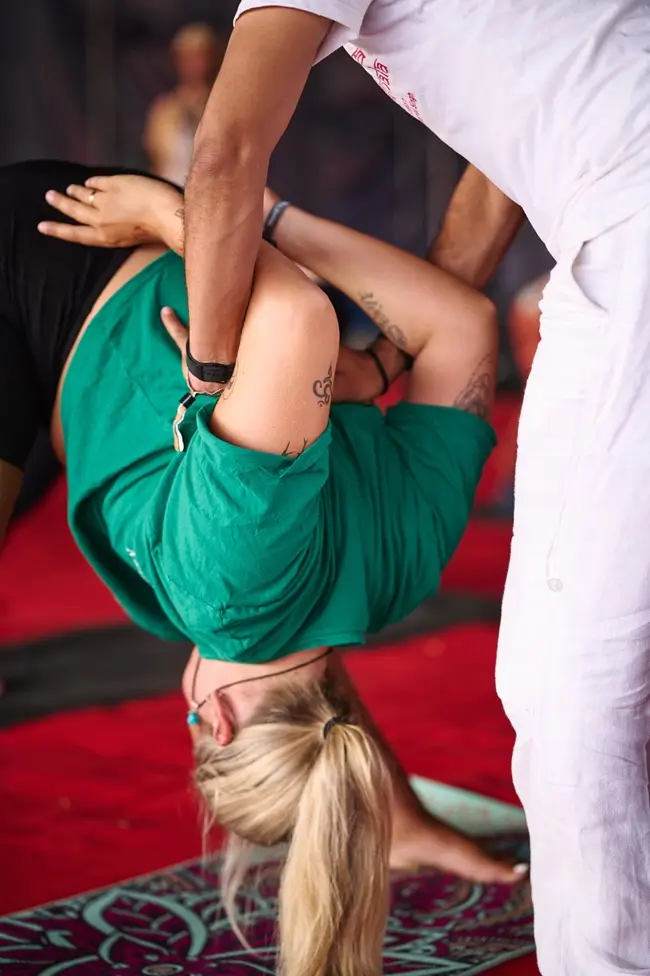
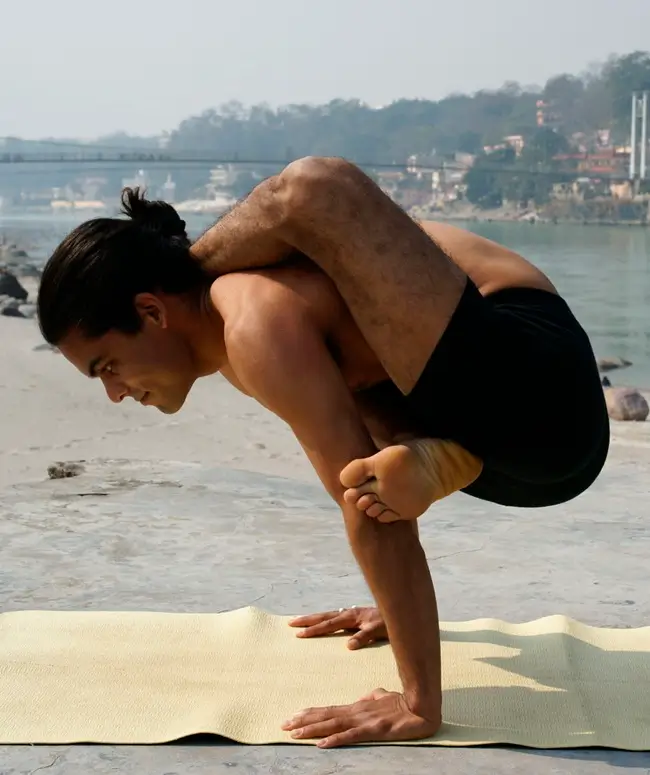
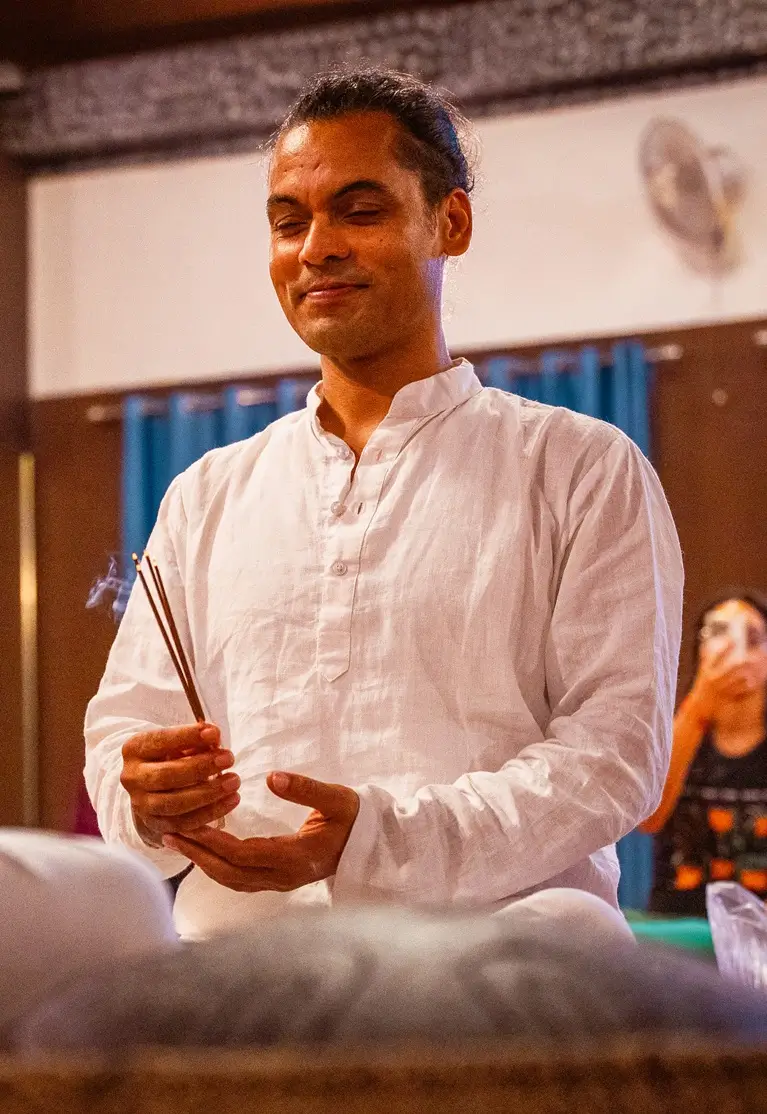
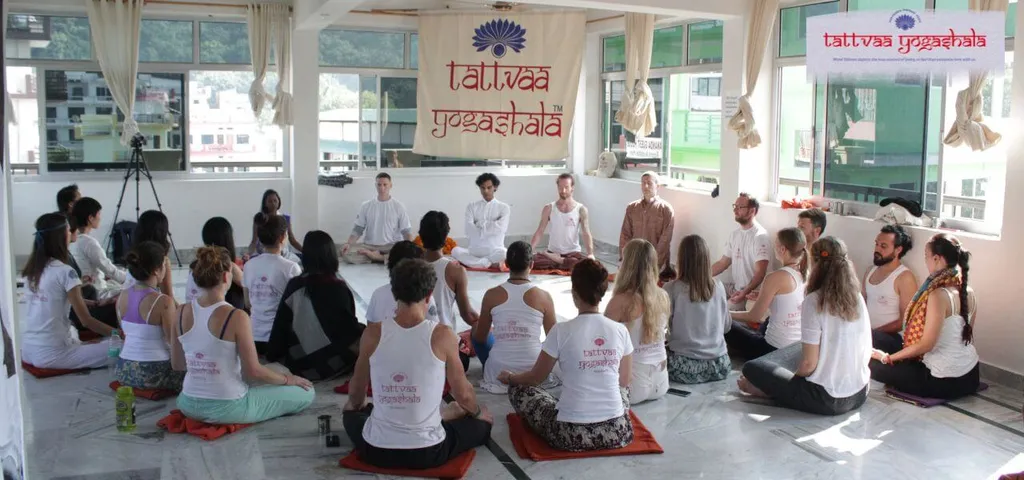
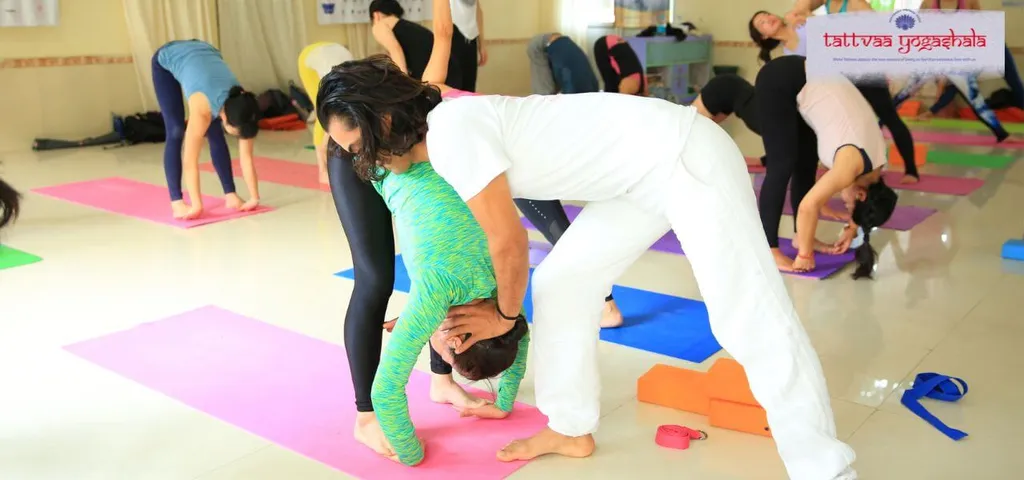
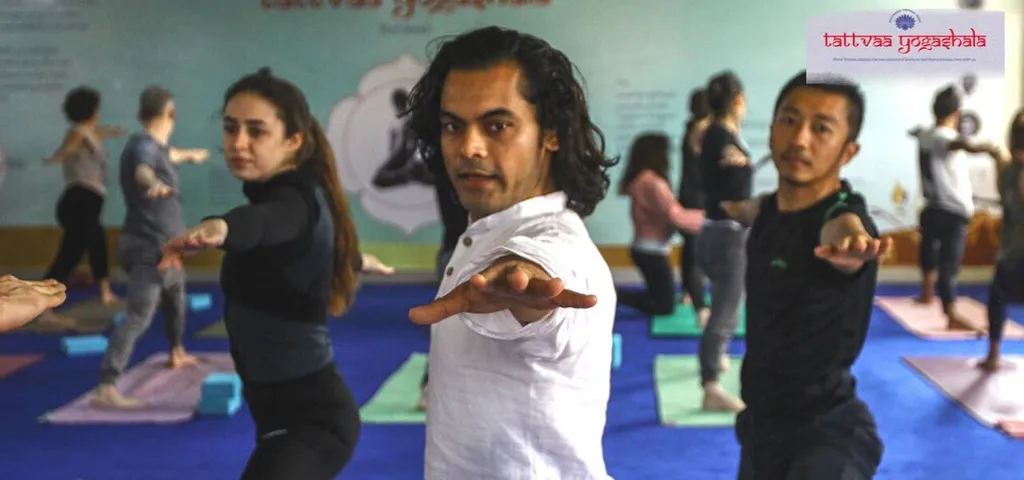
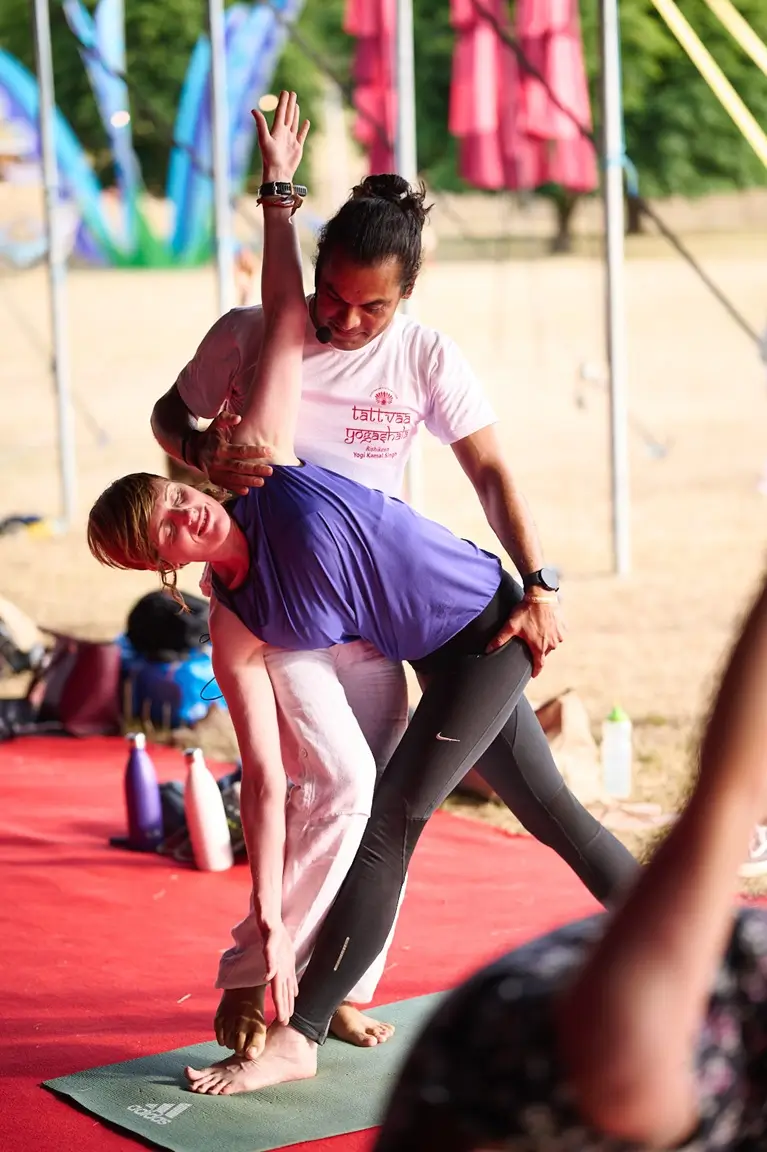
Ashtanga yoga practice led by Yogi Kamal Singh at Tattvaa Yogashala

Is This Retreat Right for You?

A Programme for Sincere Practitioners

Prior experience in Ashtanga Yoga is not compulsory. However, some regular yoga or asana practice is recommended because the programme includes two daily practice periods.

01

Deepen Your Ashtanga Practice

You already practise yoga and want dedicated time to study the Ashtanga method with greater precision and understanding.

02

Build a Personal Practice

You would like to become less dependent on led classes and develop the confidence to practise independently.

03

Begin Ashtanga Correctly

You have some regular yoga experience but are relatively new to Ashtanga and want to learn its foundations correctly.

04

Continue Your Education

You are a yoga teacher who wants to refine alignment, adjustment, sequencing and modification skills.

05

Move Beyond a Plateau

You have been repeating the same practice but need experienced observation, correction and a clearer direction for progression.

06

Return to Discipline

You want to restore consistency, concentration and sincerity within a structured residential environment.

The Tattvaa Approach

Ashtanga as a Complete System of Practice

At Tattvaa Yogashala, Ashtanga is taught as more than a physical workout. The practice becomes meaningful when breath, posture, concentration and inner discipline begin to work together.

Vinyasa

The conscious coordination of breath and movement.

Ujjayi Breath

Creating rhythm, steadiness and internal awareness.

Bandhas

Developing stability and energetic support.

Drishti

Training concentration through a steady gaze.

Sequence

Understanding the progression and purpose of Primary Series.

Alignment

Finding stability and clarity without forcing the body.

Repetition

Learning through direct and consistent experience.

Self-Study

Observing how body, breath and mind respond in practice.

The purpose is not to make every body look the same. It is to understand the method and apply it intelligently according to the needs and capacity of the individual practitioner.

Traditional Learning

Led and Mysore-Style Practice

These two complementary approaches help students understand both the shared structure of Ashtanga and their own individual relationship with the practice.

Led Ashtanga Practice

During a Led class, the teacher guides the group through the sequence using a shared rhythm of movement and breath. Students learn:

  • The traditional order of the postures
  • The relationship between breath and movement
  • Vinyasa count and transitions
  • The rhythm and continuity of the sequence
  • Where postures begin and finish
  • How the practice functions as one complete system

Mysore-Style Practice

Mysore style is the traditional method of learning Ashtanga as a self-practice within a group setting.

Each student moves through the sequence according to their experience, pace and capacity. The teacher observes each practitioner individually and offers personal guidance, corrections, modifications and adjustments.

This allows experienced practitioners to work more deeply while beginners learn the sequence gradually without being pushed beyond their present ability.

Core Elements

What You Will Study and Practise

Each area is explored through direct practice, demonstration, observation, discussion and individual guidance.

01

Foundations of Ashtanga Yoga

An introduction to the origins and structure of Ashtanga Yoga, including the Eight Limbs, Primary Series, opening mantra and the relationship between practice and yogic discipline.

02

Tristhana: Breath, Bandha and Drishti

Study Ujjayi breathing, the practical function of bandhas and the use of drishti to develop stability, concentration and internal awareness.

03

Primary Series Structure

  • Surya Namaskara A and B
  • Standing and seated postures
  • Forward folds and twists
  • Backbending foundations
  • Finishing sequence
  • Rest and integration
04

Vinyasa Count and Transitions

  • Entering and leaving postures
  • Breath-led movement
  • Chaturanga transitions
  • Jumping or stepping through and back
  • Maintaining rhythm without rushing
  • Preserving energy throughout the sequence
05

Alignment and Injury Prevention

Study alignment for the knees, hips, shoulders, wrists, lower back and cervical spine, with practical application to lotus variations, forward folds, twists, Chaturanga, backbends and inversions.

06

Adjustments and Verbal Guidance

  • Understanding the intention of an adjustment
  • Observing the student before adjusting
  • Consent and respectful physical contact
  • Clear verbal correction and cueing
  • Appropriate pressure and body mechanics
  • Recognising when not to adjust
07

Modifications for Different Bodies

Learn to adapt postures and transitions according to mobility, strength, injuries, skeletal differences, age, experience and energy levels. Modification is not used simply to make the practice easier — it makes the practice intelligent, sustainable and appropriate.

08

Intelligent Sequencing for Individual Needs

  • Preparing the body for demanding postures
  • Choosing appropriate preparatory movements
  • Working progressively toward a posture
  • Balancing strength with mobility
  • Creating shorter practices when needed
  • Preserving breath, attention and yogic integrity
09

Pranayama and Kriya

Morning sessions introduce classical breathing and cleansing practices to prepare the body and mind for asana — breath awareness, yogic breathing, Nadi Shodhana and selected kriyas according to group readiness.

10

Yoga Nidra and Meditation

The intensity of Ashtanga is balanced with conscious rest and meditation. Yoga Nidra supports physical and mental relaxation, while evening meditation develops inner steadiness.

11

Yogic Philosophy

  • Patanjali’s Eight Limbs of Yoga
  • Abhyasa: consistent practice
  • Vairagya: non-attachment
  • Discipline and self-study
  • The relationship between effort and surrender
  • Yoga beyond physical posture
12

Integration and Home Practice

Bring the week’s learning together into a realistic personal practice that respects your body, experience, available time and long-term direction.

What You Will Develop

More Than a Stronger Physical Practice

A Clearer Self-Practice

Continue independently with a clearer understanding of sequence, breath, alignment and progression.

Greater Technical Understanding

Study the details behind posture, vinyasa, transitions, modifications and adjustments.

Strength, Stability and Mobility

Develop physical capacity gradually through consistent practice rather than forcing short-term results.

Discipline and Concentration

Experience how regular practice can organise energy, steady attention and bring greater clarity.

Intelligent Adaptation

Learn to work respectfully with different bodies, limitations and levels of experience.

A Sustainable Relationship With Practice

Leave with a method that can continue at home and adapt to the changing needs of your body and life.

Meet Your Lead Teacher

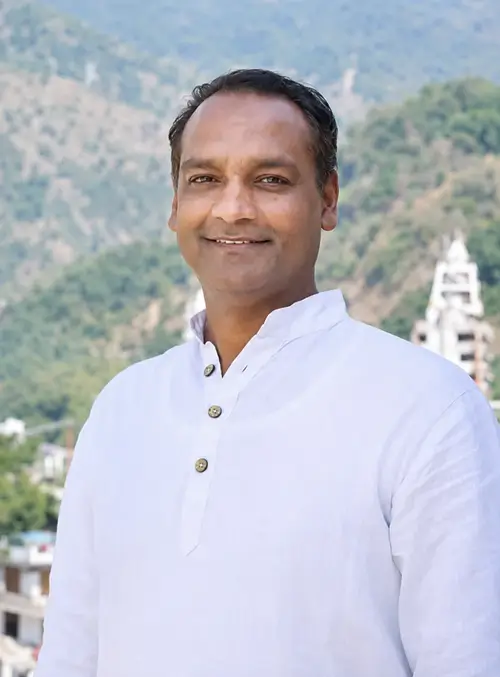
Yogi Kamal Singh

Founder of Tattvaa Yogashala · Senior Ashtanga Yoga Teacher

Yogi Kamal Singh is the founder of Tattvaa Yogashala and one of Rishikesh’s most experienced Ashtanga Yoga teachers. A native of Rishikesh, he travelled throughout India for seven years, studying yoga under the guidance of different teachers and traditional institutions.

He holds advanced yoga certifications from respected organisations including Bihar School of Yoga, Sivananda and Satyananda traditions, as well as a Master’s Degree in Yoga Studies from Garhwal University.

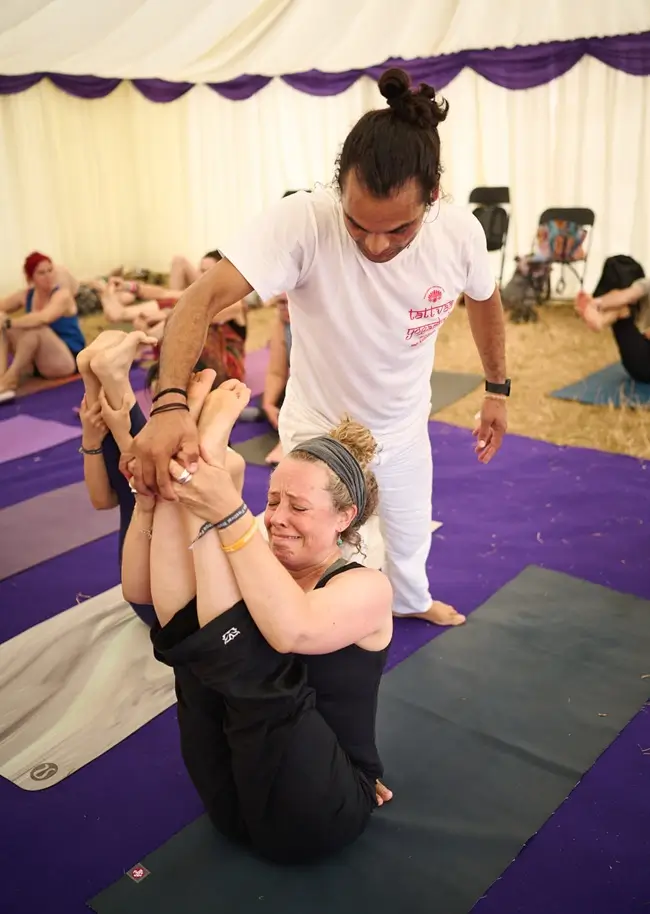
Kamal ji is known for his disciplined, motivating and alignment-focused approach. His teaching combines detailed observation, clear verbal direction and supportive adjustments that help students understand each posture from within.

During this retreat, he guides the Led and Mysore-style Ashtanga programme, helping every participant work according to their experience, body and present capacity. Experienced teachers from the Soham faculty support selected sessions during the retreat.

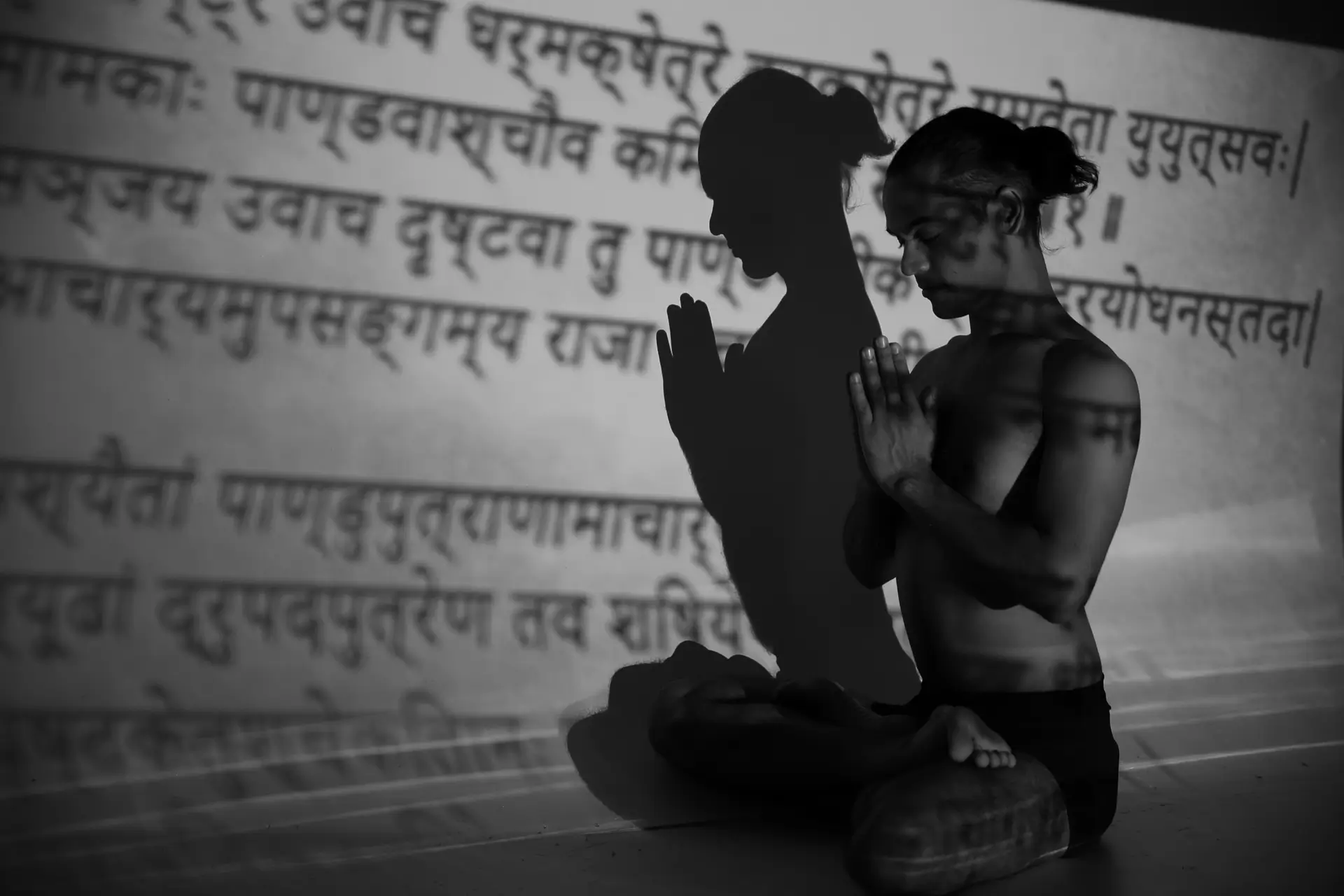
“Through discipline, freedom is attained.” — Yogi Kamal Singh
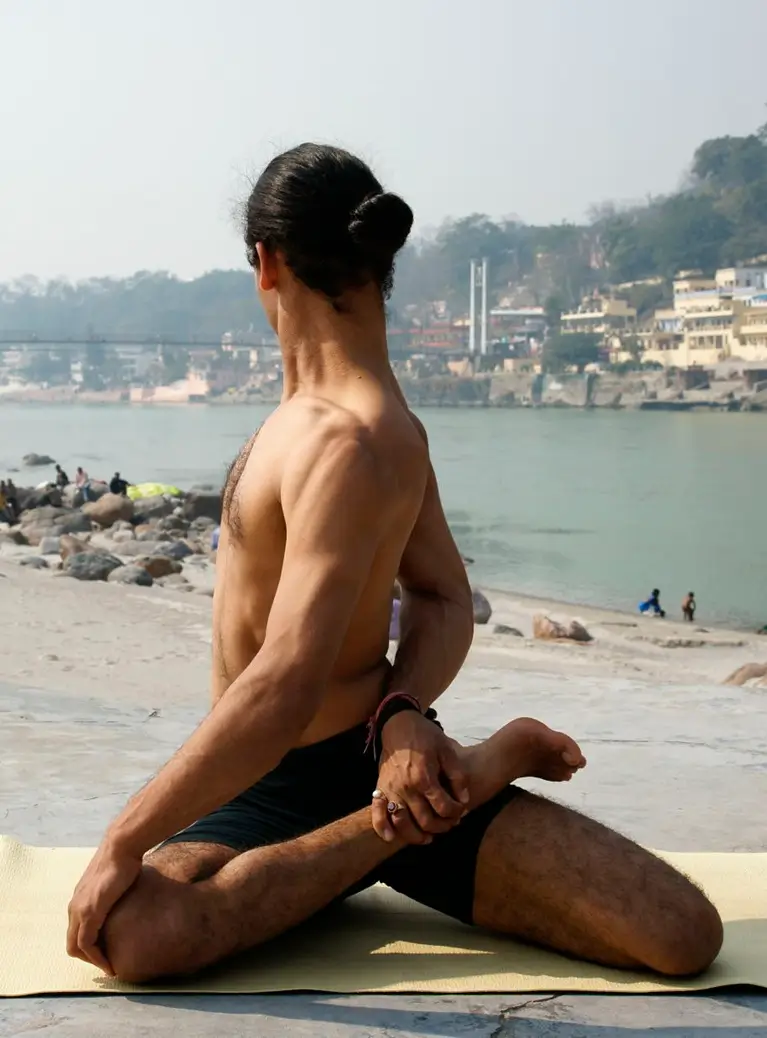
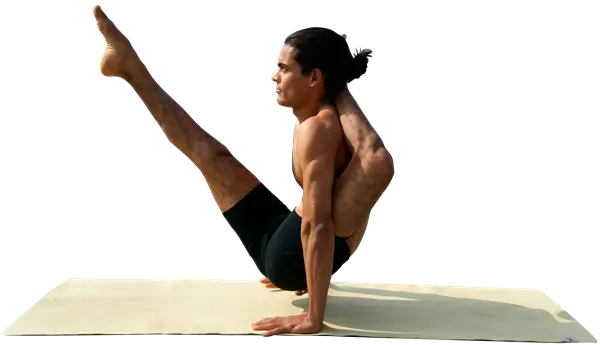
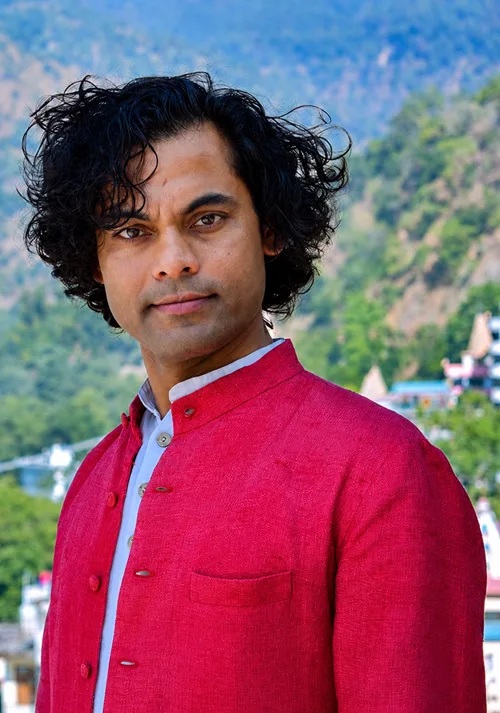
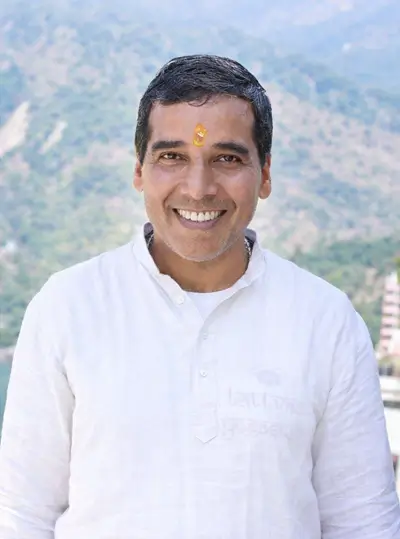
Yogi Kamal Singh, founder of Tattvaa Yogashala

Daily Rhythm

A Day of Practice, Study and Rest

The schedule creates a balance between disciplined practice, technical study, conscious rest and personal time. It may be adjusted slightly by the teaching team according to the needs of the group.

  • Morning
  • 7:30 – 8:30 AM
    Kriyas & Pranayama
  • 8:30 – 10:00 AM
    Mysore or Guided Ashtanga Practice
  • 10:00 AM
    Breakfast
  • 10:30 AM – 1:00 PM
    Free Time  ·  Ganga  ·  Rest
  • Afternoon
  • 1:00 PM
    Lunch
  • 2:00 – 2:45 PM
    Yoga Nidra
  • 2:45 – 3:30 PM
    Yoga Philosophy
  • 3:30 – 5:00 PM
    Alignment, Adjustment & Practice Workshop
  • Evening
  • 5:00 – 6:15 PM
    Evening Meditation
  • After 6:15 PM
    Dinner & Rest
50
Hours

Continuing Education

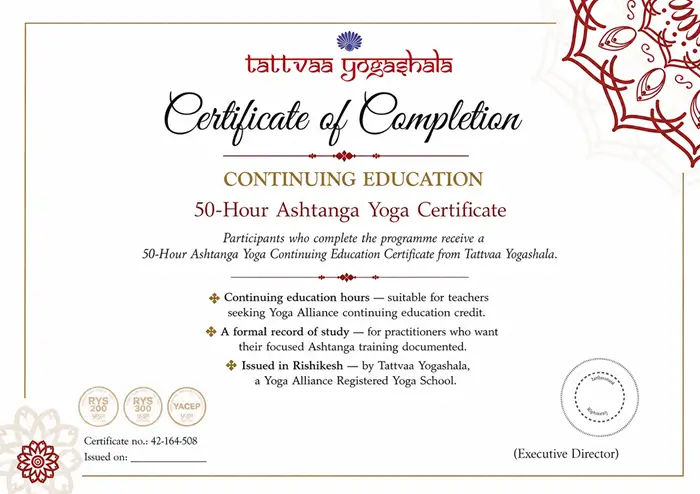
50-Hour Ashtanga Yoga Certificate

Participants who complete the programme receive a 50-Hour Ashtanga Yoga Continuing Education Certificate from Tattvaa Yogashala.

The certificate is suitable for yoga teachers seeking Yoga Alliance continuing education hours and for practitioners who want a formal record of their focused study.

This is a continuing education certificate. It is not a standalone 200-hour yoga teacher qualification.

The Residential Setting

Soham Retreat, Rishikesh

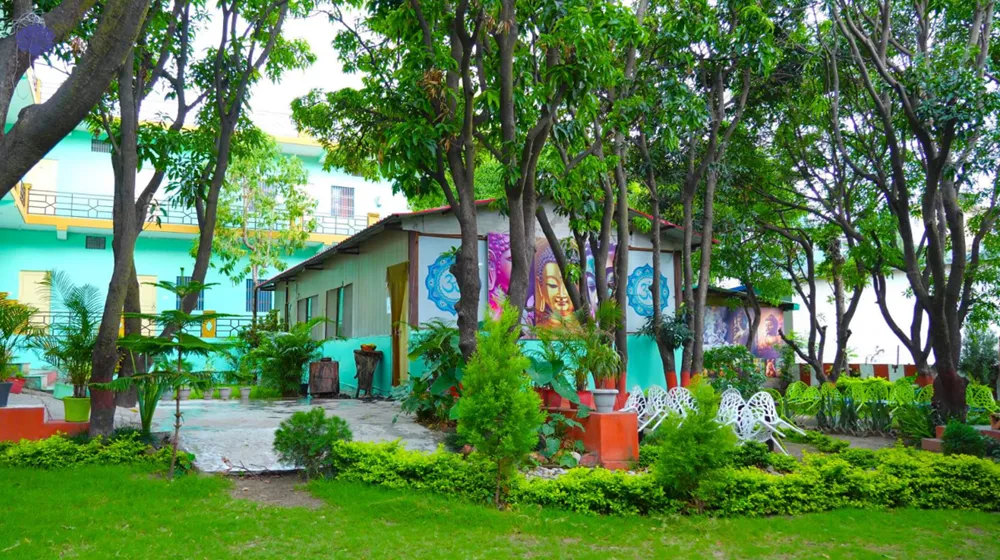
A quiet residential setting gives the body time to recover, the mind space to settle and the practice room to deepen. Soham Retreat is Tattvaa’s residential retreat space in Rishikesh — simple, calm and close to nature, allowing participants to remain within the rhythm of the programme rather than moving between classes and outside accommodation.

Residential Practice

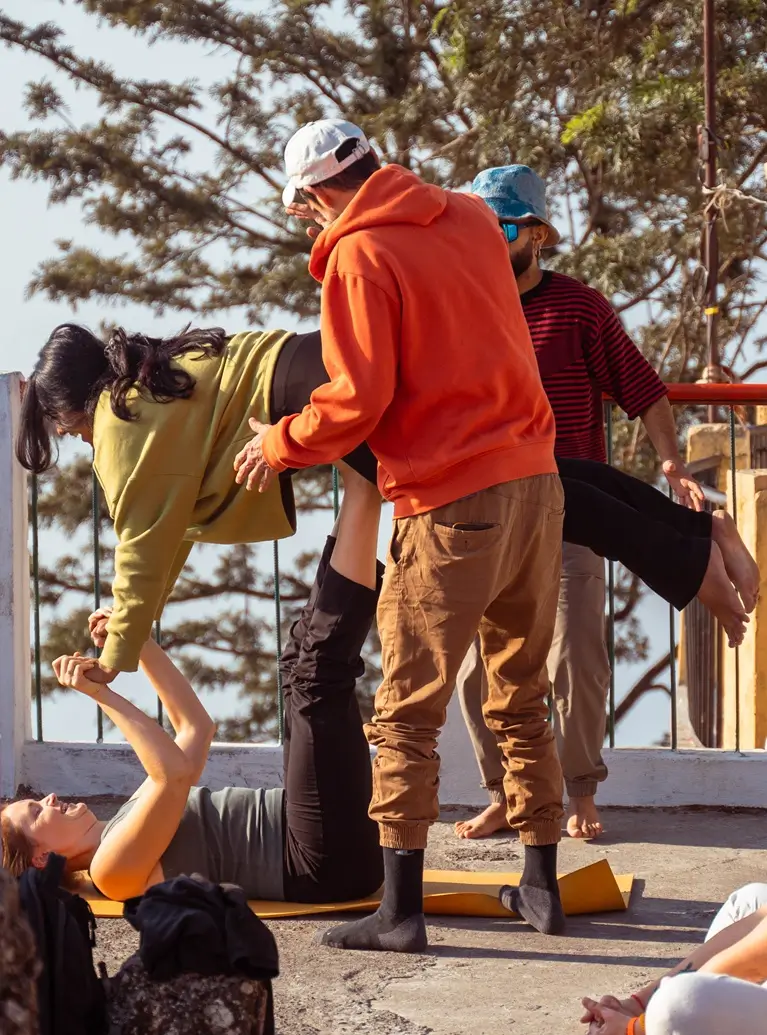
Live and practise in one place, with less distraction and more continuity throughout the week.

Small Group Setting

A focused group allows greater observation, personal correction and direct teacher guidance.

Space to Integrate

Gardens, quiet areas and free periods support rest, reflection and personal study.

Peaceful residential retreat campus in Rishikesh

Food and Accommodation

Simple Living That Supports Practice

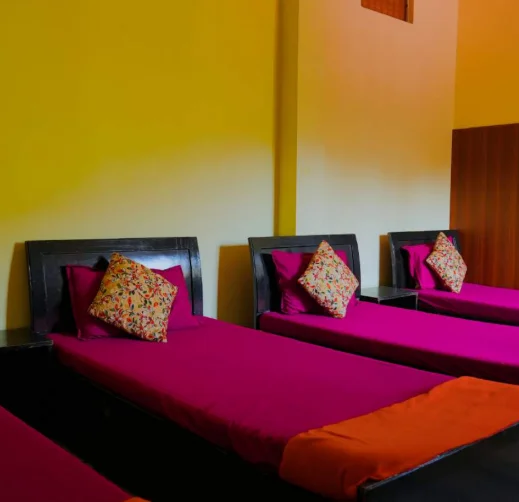
The retreat fee includes accommodation at Soham and three freshly prepared sattvic vegetarian meals each day.

Rooms are simple, clean and designed for rest between sessions. Participants may choose a private room or a shared room, subject to availability.

Meals are prepared to support an active yoga programme while keeping the body light, nourished and steady. Please share any dietary restrictions or food allergies before arrival so the kitchen team can advise what can be accommodated.

  • Private and shared room options
  • Attached bathroom
  • Hot water
  • Wi-Fi
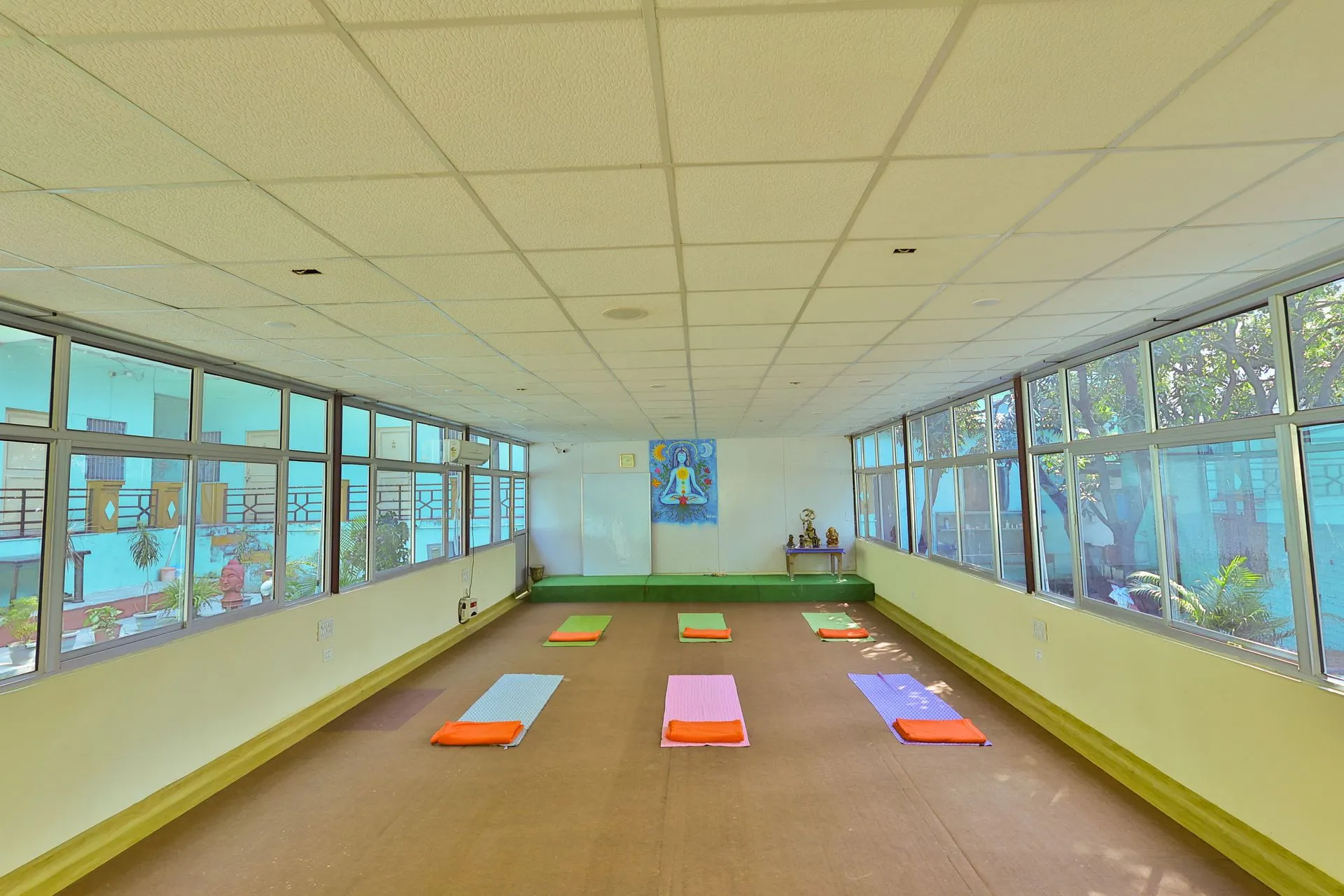
  • Access to the yoga hall and gardens
  • Three sattvic vegetarian meals daily
Comfortable retreat accommodation

Programme Details

What Is Included

Included in the Retreat Fee

  • Seven-day residential Ashtanga programme
  • Daily Led or Mysore-style Ashtanga practice
  • Alignment, adjustment and sequencing workshops
  • Pranayama and selected cleansing practices
  • Yoga philosophy sessions
  • Yoga Nidra and meditation
  • Teaching led by Yogi Kamal Singh and supported by Soham teachers
  • 50-hour continuing education certificate
  • Six nights of accommodation
  • Three sattvic vegetarian meals daily
  • Use of yoga mats and standard props
  • Retreat support throughout the programme

Not Included

  • Flights and visa expenses
  • Travel insurance
  • Transport to and from Rishikesh
  • Airport transfer, unless arranged separately
  • Personal shopping and laundry
  • Meals, treatments or activities outside the programme
  • Accommodation before or after the retreat dates

2026 Retreat Dates

Choose Your Retreat

Both retreats follow the same seven-day programme and are led by Yogi Kamal Singh with support from the Soham teaching team.

October 2026
23–29 October

Seven days and six nights at Soham Retreat, Rishikesh.

Private Room · USD 600 Shared Room · USD 500
November 2026
23–29 November

Seven days and six nights at Soham Retreat, Rishikesh.

Private Room · USD 600 Shared Room · USD 500

Room selection is subject to availability. The confirmed programme fee includes tuition, accommodation, meals and certification.
Seven Days of Dedicated Practice

Return to the Method. Refine the Practice.

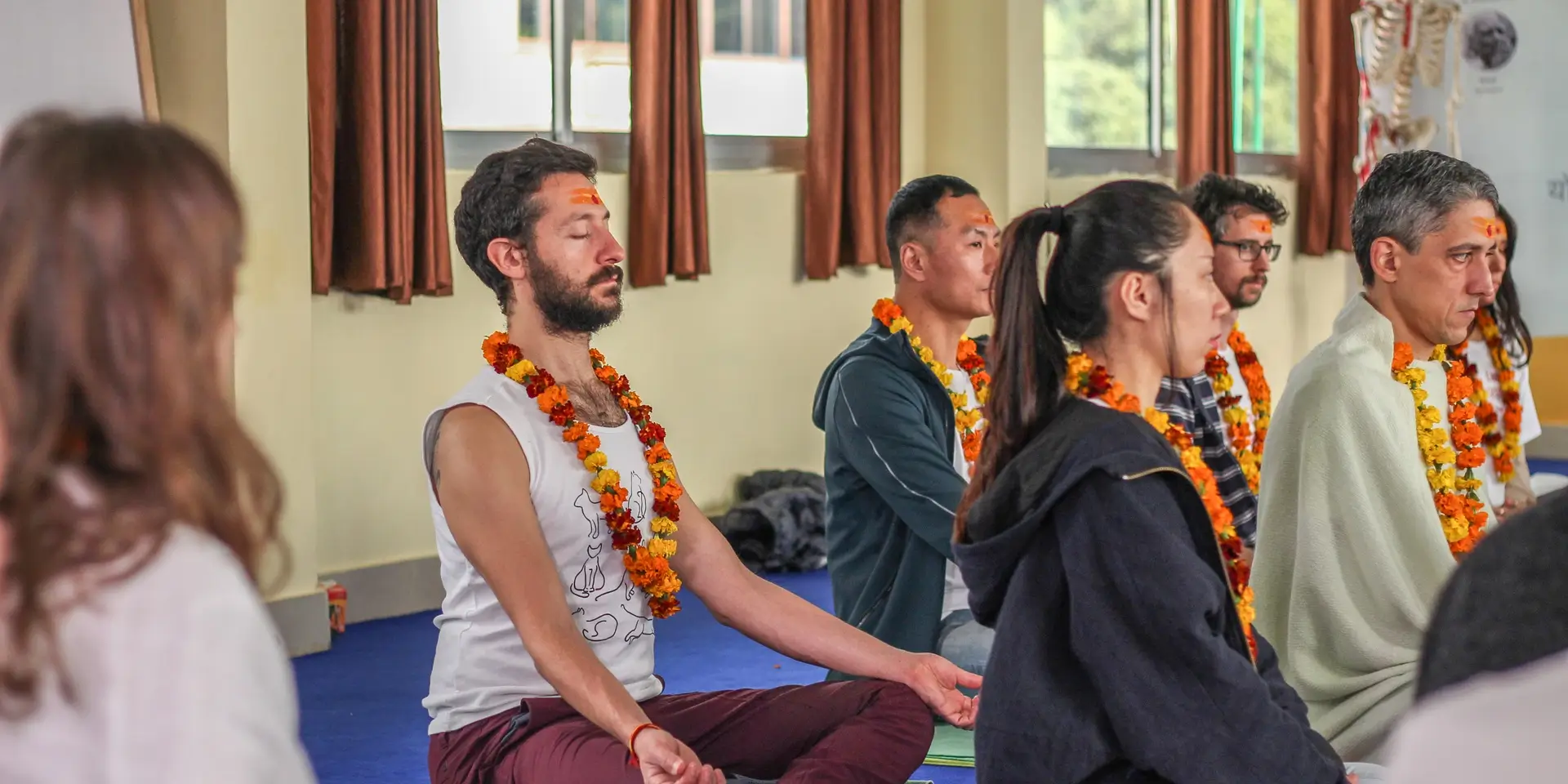
Step away from ordinary routines and enter a week shaped by breath, movement, discipline and direct guidance. Whether you are beginning Ashtanga or returning with years of experience, the retreat offers space to understand the method more clearly and carry it forward as a sustainable personal practice.

Frequently Asked Questions

Before You Join

  • Previous Ashtanga experience is not compulsory. Beginners to Ashtanga are welcome, but some regular yoga or asana practice is recommended because the retreat includes two daily practice and workshop periods. The teachers provide appropriate modifications and gradual guidance.
  • This programme is primarily a seven-day Ashtanga retreat. It also includes a 50-hour continuing education certificate. The certificate may support Yoga Alliance continuing education requirements, but it is not a standalone 200-hour teacher qualification.
  • Yogi Kamal Singh is the lead teacher and guides the core Ashtanga programme. Experienced Soham teachers conduct selected supporting sessions such as pranayama, kriya, Yoga Nidra, philosophy and meditation.
  • The teachers provide modifications according to the participant’s body, experience and present condition. Please disclose any injuries, recent surgery, pregnancy or medical concerns before joining. Participation should be discussed with an appropriate medical professional where necessary.
  • Bring comfortable yoga clothing, modest clothes for Rishikesh, a light jacket or shawl, personal toiletries, a reusable water bottle, a notebook and any regular medication. Yoga mats and standard props are available at the retreat.
  • Yes. The retreat fee includes six nights of accommodation and three sattvic vegetarian meals daily. Private and shared rooms are available at different prices and are assigned according to availability.

Connect & Reviews

10,000+ Yogis Certified Worldwide

Trusted by students from 80+ countries — find us, follow us, and read our reviews.

Tattvaa Yogashala

@tattvaayogashala

Rishikesh, India

876Posts
5,919Followers
3,048Following

Yoga Studio

Rishikesh's oldest Ashtanga Vinyasa Yoga school

Leading with 22 years of experience

Yoga | RYS 200 / 300 / 500 TTC | Mindfulness

Sattvic Vegetarian Meals

Follow on Instagram
Tattvaa Yogashala Facebook
Tattvaa Yogashala

tattvaayogashala

Yoga School · Rishikesh, India

4.9 · 300+ Reviews
8.5K+Followers
8.2K+Likes
22 YrsExperience
Visit Facebook Page
Reviews

Tattvaa Yogashala

Yoga School · Rishikesh, India

4.9
Based on 200+ Reviews

"Absolutely life-changing experience. The teachers are authentic, the training is deep, and the ashram energy is pure."

See All Reviews
Since May 2012

Tattvaa Yogashala

Registered Yoga School · RYS

RYS 200 RYS 300 RYT 500
4.66
Based on 205 Reviews

Overall School Rating

View Yoga Alliance Profile

Please wait...

Send Enquiry