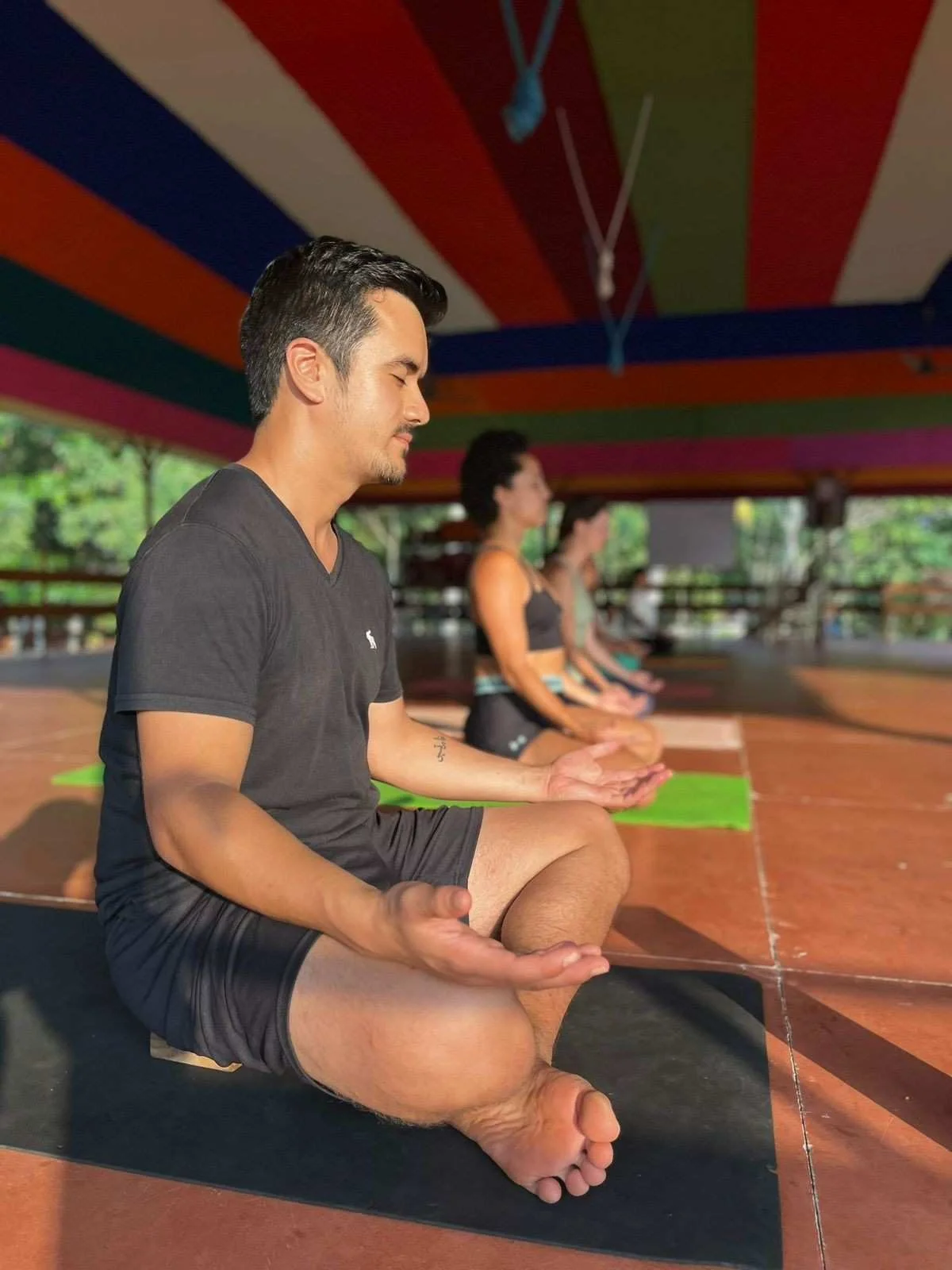
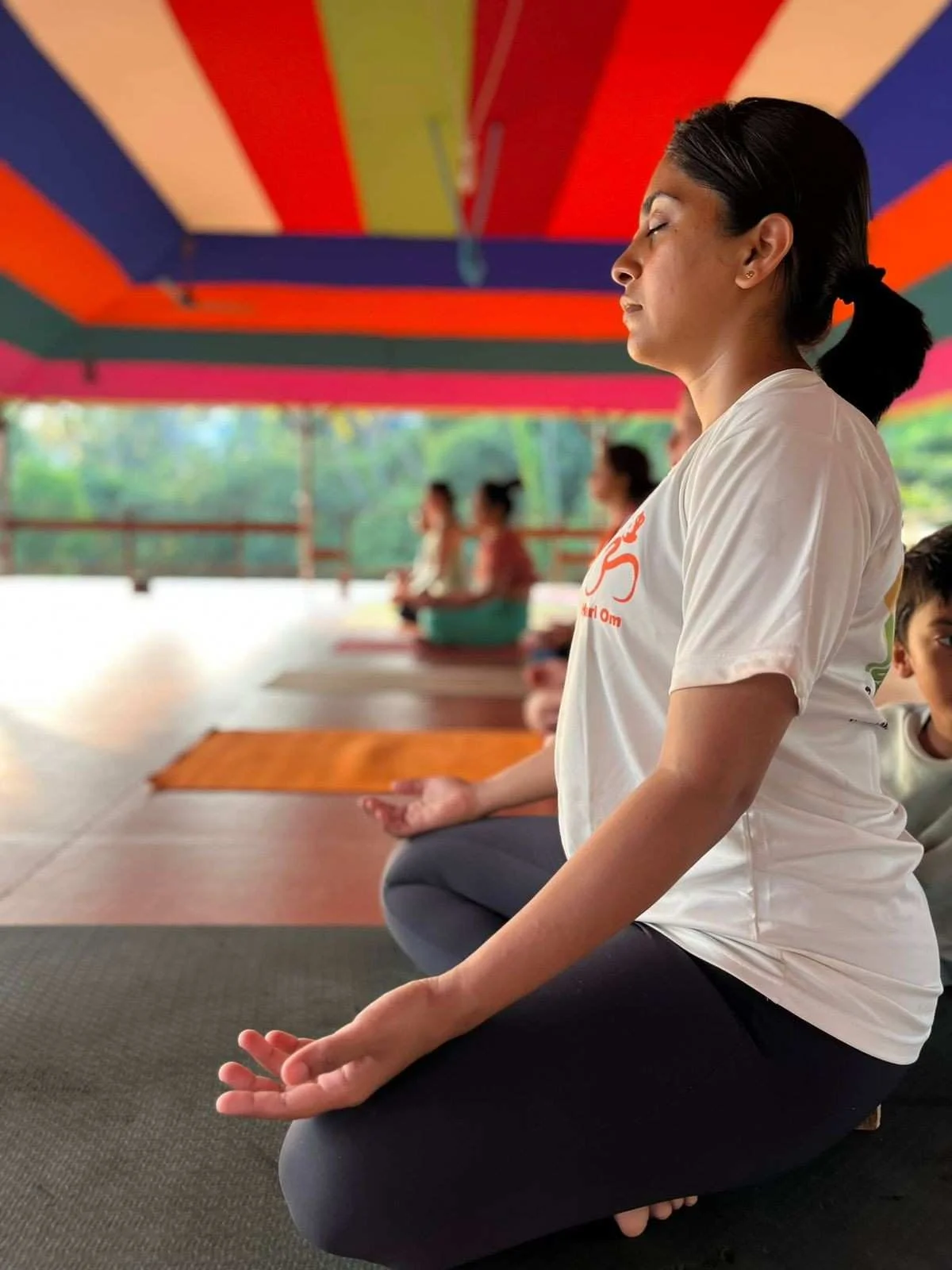
Ashtanga Vinyasa yoga, also known as classical Indian yoga, was popularized by K. Pattabhi Jois in the 20th century. Ashtanga refers to the eight limbs of yoga, with asanas (yoga postures) and pranayama (breathing) being just two of them. Sharath Jois, K. Pattabhi Jois's grandson, encourages the practice of all eight limbs. The first two limbs, Yamas and Niyamas, are given special priority to be practiced in conjunction with the 3rd and 4th limbs (pranayama and asana). Ashtanga yoga has been named after the eight limbs of the yoga sutras of Patanjali.
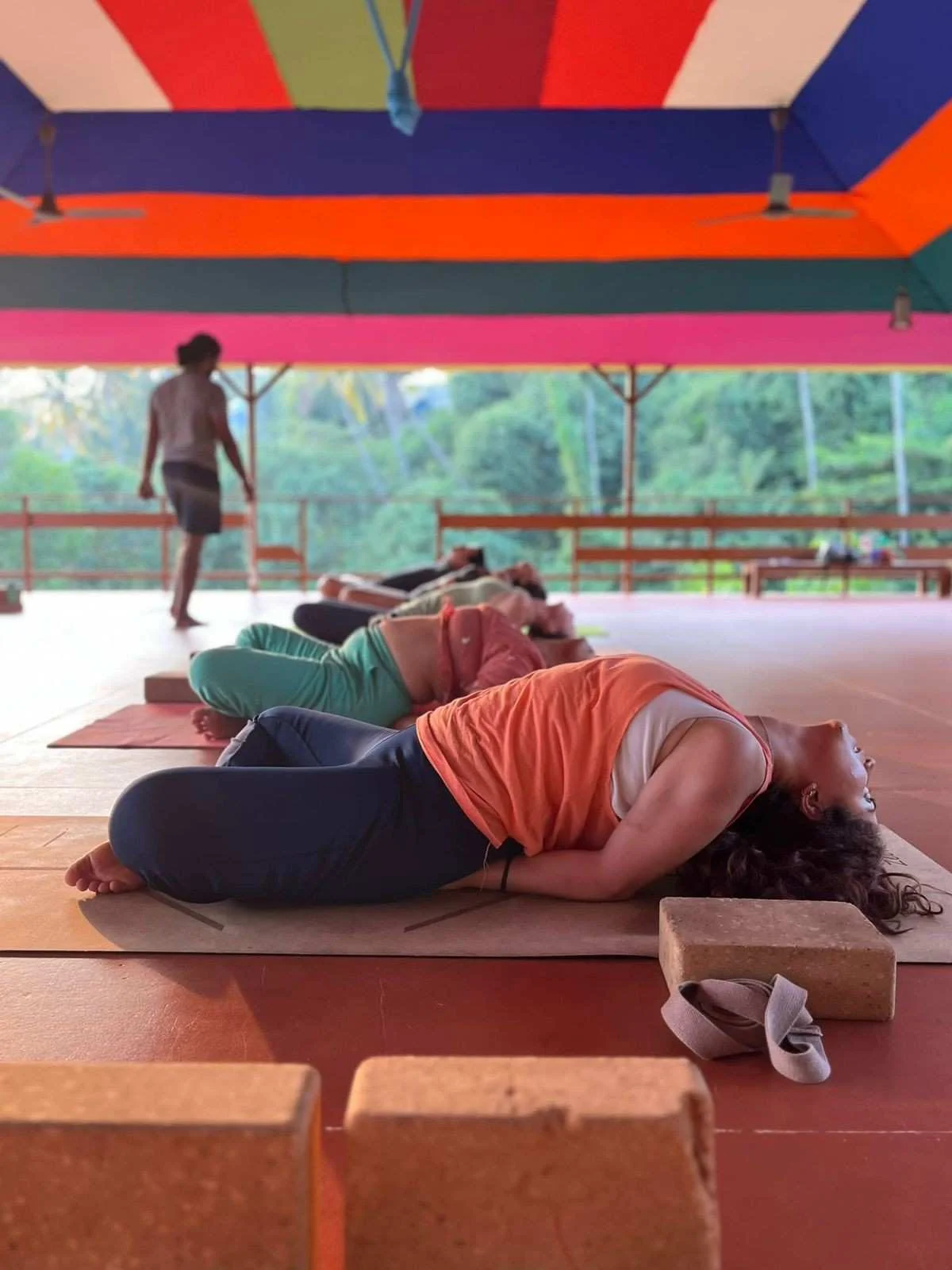
Pranayama classes cover various techniques such as Kapalbhati, Shithkari, Bhastrika, Shithali, and Bhramari. Mysore-style classes on Saturdays allow learners to improve their practice without direct guidance from the teacher, although adjustments will be made if needed.
To be eligible for the course, one must have a sincere desire to learn and the discipline to attend all classes. A minimum of six months of recent Ashtanga or Hatha yoga practice is required. This intense experience helps develop a strong foundation of inner discipline.
The Incredible Benefits of Ashtanga Yoga for Your Body, Mind, and Spirit
Ashtanga Vinyasa offers a range of physical, mental, and spiritual benefits:
Physical Benefits
Develops strength and flexibility, lubricates joints, tones muscles, massages internal organs, improves circulation, and aids in weight loss.
Mental Benefits
Calms restless thoughts, promotes inner stability, supports mental clarity, and encourages self-awareness.
Spiritual Benefits
Invites profound stillness, fosters self-acceptance, and awakens inner wisdom.











 See All Reviews


 View Profile